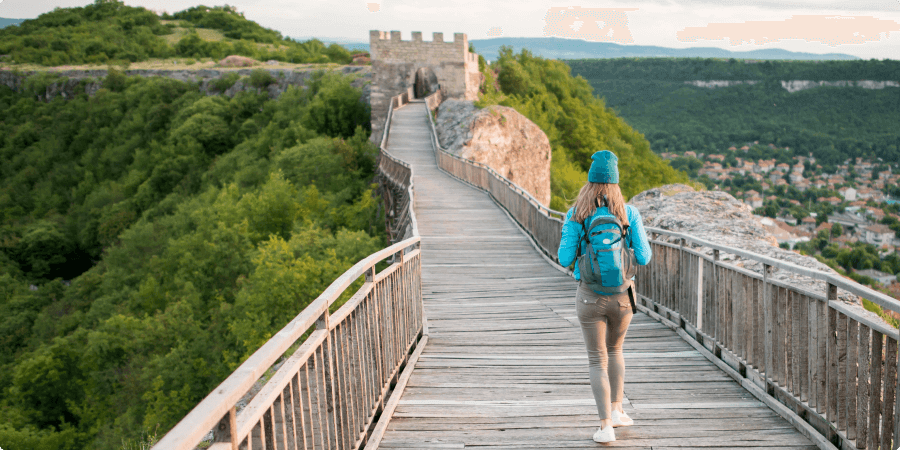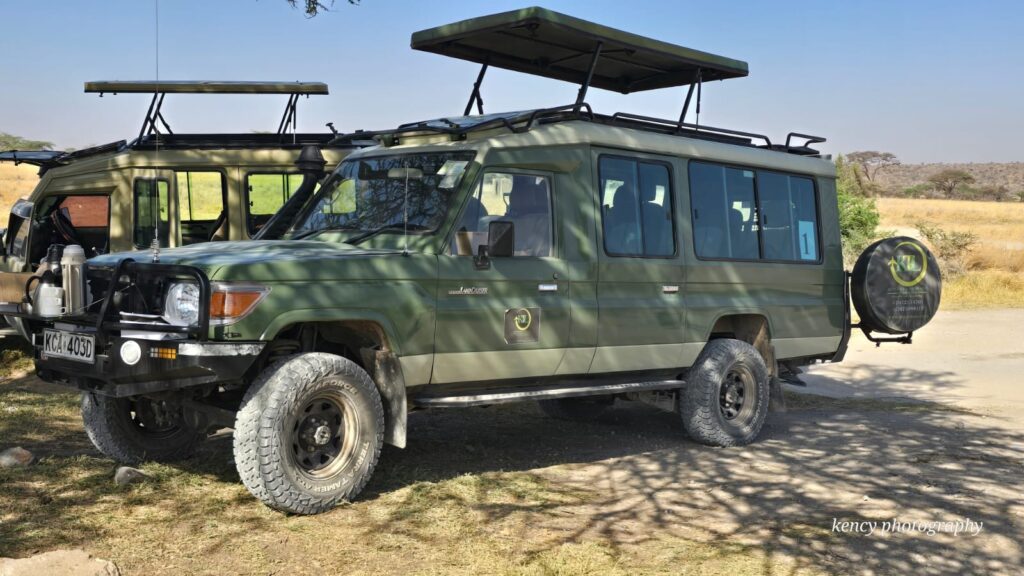
Planning a safari across Kenya and Tanzania is an exciting way to experience East Africa’s wildlife, landscapes, and famous national parks. From watching elephants in Amboseli to exploring the Serengeti plains and visiting the Ngorongoro Crater, a well-planned trip can offer a variety of memorable experiences.
But where should you start? You need to choose your destinations, decide when to travel, set a realistic budget, arrange transport, and understand the entry requirements for both countries.
If you are asking, “How do I plan a Kenya and Tanzania safari?”, the best approach is to build your itinerary around your interests, available time, and budget. This guide explains the main steps and helps you prepare for a smoother East African adventure.
1. Decide What You Want to Experience
Start by identifying what matters most to you. Some travellers want to see the Great Migration, while others prefer elephant viewing, photography, scenic landscapes, or a relaxed holiday with comfortable accommodation.
Your priorities will help determine which parks to visit and how long to spend in each destination.
For example:
- Wildlife viewing: Consider the Maasai Mara, Serengeti, and Ngorongoro Crater.
- Elephant viewing: Amboseli and Tarangire are worth considering.
- Birdwatching: Lake Nakuru and Lake Manyara offer opportunities to observe a variety of bird species.
- Scenic landscapes: Consider the Great Rift Valley, the Ngorongoro Crater, and the plains of the Serengeti.
- A broader East African holiday: Combine selected safari destinations with mountain climbing or a relaxing coastal stay if your schedule allows.
You do not need to visit every famous park. Selecting a few destinations that match your interests often creates a more enjoyable trip than rushing through too many locations.
2. Choose the Best Destinations in Kenya and Tanzania
Kenya and Tanzania offer several outstanding safari destinations. Your route should consider wildlife interests, travel time, accommodation, and how you will cross between the two countries.
Top safari destinations in Kenya
Maasai Mara National Reserve
The Maasai Mara is known for its open grasslands, predators, and diverse wildlife. It is also associated with the Great Migration, when wildebeest and zebras move through the wider Mara-Serengeti ecosystem.
It is a strong choice for travellers interested in classic savannah game drives and wildlife photography.
Amboseli National Park
Amboseli is famous for its elephants and views of Mount Kilimanjaro when weather conditions are clear. Its landscapes and wetlands provide a different experience from the Maasai Mara.
Lake Nakuru National Park
Lake Nakuru combines lake scenery, woodland, birdlife, and opportunities to see a range of wildlife. It can be a useful stop on a wider Kenyan safari.
Tsavo East and Tsavo West
These parks offer varied landscapes and wildlife habitats. They may suit travellers who want to explore different parts of Kenya beyond the more familiar safari circuits.
Top safari destinations in Tanzania
Serengeti National Park
The Serengeti is renowned for its wide plains, predators, and the seasonal Great Migration. The best area to visit depends partly on the season and movement of the herds.
Ngorongoro Conservation Area
The Ngorongoro Crater offers dramatic views and opportunities to see wildlife across its crater-floor habitats. It is often included in northern Tanzania safari itineraries.
Tarangire National Park
Tarangire is known for its elephants, baobab trees, and distinctive scenery. It can be a valuable addition to a northern Tanzania route.
Lake Manyara National Park
Lake Manyara offers a different setting with lake, woodland, and diverse birdlife. It can complement a trip that includes other northern Tanzania parks.
3. Decide How Many Days You Have
Your travel duration affects how many destinations you can visit comfortably.
A shorter holiday may focus on one or two major parks, while a longer safari can include more destinations and allow additional time for game drives.
For example, you might plan a trip around the Maasai Mara in Kenya and the Serengeti in Tanzania. If you have more time, you could add the Ngorongoro Crater or another suitable park.
Remember that driving between destinations takes time. International border crossings, road conditions, and transfers can also affect your schedule.
When planning your itinerary, consider:
- The time needed to travel between parks.
- The number of nights you want to spend in each destination.
- Whether you will use road transfers or domestic flights.
- Time for arrival, departure, and border formalities.
- Whether you prefer a busy itinerary or a slower pace.
A well-balanced safari gives you enough time to enjoy each destination rather than spending most of the holiday travelling.
4. Choose the Right Time to Travel
Kenya and Tanzania offer wildlife viewing throughout the year, but weather and animal movements vary by location and season.
Dry periods can make some wildlife easier to spot in certain areas. Greener months may provide attractive scenery, although rainfall can affect road conditions and travel times.
If you want to see the Great Migration, plan carefully. The herds move through different parts of the Serengeti ecosystem and the Maasai Mara according to rainfall and grazing conditions. Their exact location cannot be guaranteed on specific dates.
Before choosing your travel dates, consider:
- Your preferred wildlife experiences.
- The expected weather in each destination.
- Accommodation availability.
- Your budget and travel flexibility.
- Whether school holidays or other busy travel periods affect your plans.
Ask your safari planner which areas are most appropriate for your dates rather than assuming that the migration will always be in one particular place.
5. Set Your Safari Budget
The cost of a Kenya and Tanzania safari depends on your travel style and the services included. Establishing a realistic budget early helps you select suitable destinations and accommodation.
The main cost factors include:
Accommodation: Campsites, standard lodges, and luxury properties have different rates.
Transport: Road transfers, safari vehicles, domestic flights, and airport transfers affect the total cost.
Park fees: Each destination has its own applicable entry and conservation charges.
Trip duration: More nights generally mean additional accommodation, meals, and transport expenses.
Group size: Private and shared safaris have different cost structures.
Meals and activities: Check whether meals, guided game drives, and optional experiences are included.
Budget, private, or luxury safari?
Budget safaris may use shared transport or more affordable accommodation. Private safaris provide arrangements for your own travelling party, while luxury packages focus on selected accommodation and added comfort.
None is automatically the best choice for everyone. Compare what each package includes, and request a written quotation showing exclusions, payment terms, and cancellation conditions.
6. Arrange Transport and Border Crossings
Transport is one of the most important parts of a combined safari. Your route needs to account for travel between parks, accommodation locations, and the crossing between Kenya and Tanzania.
Depending on your itinerary, you may use road transfers, safari vehicles, or domestic flights. Some arrangements may require changing vehicles or guides at the border.
Before confirming your booking, ask:
- Who will organise the cross-border transfer?
- Which transport services are included?
- How much time should you allow for the journey?
- Are airport transfers included?
- Will the safari vehicle or guide change between countries?
- What happens if delays affect the itinerary?
Do not assume that a vehicle or guide will automatically operate across the entire route. Confirm the arrangements with your tour operator before travelling.
7. Check Visas and Travel Requirements
Entry requirements depend on your nationality, travel documents, and itinerary. Before departure, check the current official requirements for both Kenya and Tanzania.
Confirm whether you need visas, electronic travel authorisations, or other documents. If you plan to enter one country, visit the other, and return again, check the requirements for every entry.
Also consider travel insurance and any health advice relevant to your itinerary. Speak to a qualified healthcare professional or travel clinic about appropriate precautions before departure.
Keep copies of important travel documents and allow sufficient time to complete any required applications.
8. Choose a Reliable Safari Operator
Working with an experienced tour operator can simplify planning, especially when your itinerary includes two countries.
Look for clear communication, a detailed itinerary, transparent pricing, and a clear explanation of transport and accommodation arrangements.
Before booking, confirm:
- The destinations and overnight stops.
- The names or categories of accommodation.
- The services included in the quotation.
- Park fees and other additional expenses.
- Payment and cancellation conditions.
- How the operator will handle cross-border transfers.
Share your preferred dates, group size, budget, and main interests. This makes it easier to develop an itinerary that suits your needs.
Plan Your Safari with Kenia Mara Tours & Safaris
Kenia Mara Tours & Safaris is a Nairobi-based tour and safari company offering travel arrangements for visitors exploring Kenya and other East African destinations.
The company offers private and group safaris, customised tours, and budget and luxury safari options. Other services include mountain climbing, hotel bookings, airport transfers, car hire, and shuttle services.
If you want to combine the Maasai Mara, Amboseli, Serengeti, or Ngorongoro Crater, share your preferred travel dates and priorities when making an enquiry. You can discuss your budget, accommodation preferences, group size, and transport arrangements before deciding on a suitable itinerary.
A clear plan helps you make informed choices, manage your travel budget, and spend more time enjoying East Africa’s wildlife and scenery.
Frequently Asked Questions
1. How do I plan a Kenya and Tanzania safari on a budget?
Start by selecting a few priority destinations, choosing affordable accommodation, and comparing shared safari options with private arrangements. Request a detailed quotation and confirm whether park fees, meals, transfers, and accommodation are included.
2. Can I visit the Maasai Mara and Serengeti on the same trip?
Yes. Both can be included in a combined safari. The itinerary needs to account for border-crossing arrangements, transport time, entry requirements, and the location of your accommodation.
3. How many days do I need for a Kenya and Tanzania safari?
The ideal duration depends on your route and interests. A shorter trip can cover selected destinations, while a longer holiday allows more time for game drives and additional parks. Avoid packing in so many stops that you have little time at each location.
4. When is the best time to see the Great Migration?
The migration moves through the Serengeti ecosystem and the Maasai Mara at different times of the year. The timing depends on rainfall and grazing conditions, so discuss your dates and preferred viewing areas with your safari planner.
5. What should I pack for a Kenya and Tanzania safari?
Pack comfortable clothing, a warm layer for early mornings, comfortable shoes, sun protection, insect repellent, binoculars, a camera, and personal medication. Check expected weather conditions and luggage limits for your transport arrangements before departure.
Start Planning Your East African Safari
Planning a safari across Kenya and Tanzania becomes easier when you start with your priorities, choose a realistic route, and understand the full cost of your trip.
Contact Kenia Mara Tours & Safaris to discuss your travel plans and enquire about a customised itinerary for your East African adventure.
Email: info@keniamara.co.ke
Phone: +254 770 999112
Website: https://www.keniamara.co.ke
Start planning your journey and discover the wildlife, landscapes, and safari experiences that make Kenya and Tanzania special.