Kenya is one of Africa’s most rewarding safari destinations. It offers diverse wildlife, beautiful national parks, open savannahs, mountains, and unforgettable travel experiences. From watching elephants in Amboseli to exploring the famous Maasai Mara, there are many ways to enjoy a wildlife holiday in the country.
However, a successful safari requires good planning. You need to choose the right destinations, decide how many days to travel, set a budget, arrange transport, and find suitable accommodation.
If you are asking, How do I plan a Kenya safari?, the best approach is to start with your travel goals and build an itinerary around your available time and budget.
This guide explains the main steps to help you organise a memorable Kenya safari, whether you are travelling alone, as a couple, with family, or in a group.
1. Decide What Kind of Safari Experience You Want
Before choosing a destination, think about the experience you want.
Kenya offers different types of safaris, and your preferred travel style will influence the itinerary and overall cost.
Do You Prefer a Private or Group Safari?
A private safari is arranged for you and your chosen travel companions. It offers more control over the itinerary, vehicle arrangements, and travel schedule.
It can be suitable for families, couples, photographers, and small groups.
A group safari allows travellers to share certain costs and enjoy the experience with other visitors. It may be a practical choice if you are working with a limited budget.
Should You Choose a Budget or Luxury Safari?
Budget safaris focus on providing a wildlife experience with more affordable accommodation and travel arrangements.
Luxury safaris may include higher-end lodges or tented camps, personalised services, and additional comfort.
Neither option is automatically better. Choose one that matches your budget, expectations, and preferred level of comfort.
2. Choose the Best Safari Destinations in Kenya
Kenya has several national parks and reserves. Each offers different landscapes and wildlife experiences.
The right destination depends on the animals you want to see, the time available, and how much travelling you want to do.
Maasai Mara National Reserve: Is It a Good First Choice?
The Maasai Mara is one of Kenya’s most famous safari destinations. It is known for lions, elephants, buffaloes, giraffes, cheetahs, and other wildlife.
It is also part of the Serengeti-Mara ecosystem and is associated with the annual Great Migration.
The Maasai Mara is a good option for travellers looking for a classic African safari experience.
Amboseli National Park: What Makes It Special?
Amboseli is famous for its elephant herds and views of Mount Kilimanjaro.
The park has open plains, wetlands, and beautiful scenery that attracts wildlife photographers and nature lovers.
It can also be combined with other destinations for a longer Kenya safari.
Tsavo East and Tsavo West: Are They Worth Visiting?
Tsavo East and Tsavo West offer wide wilderness areas and varied landscapes.
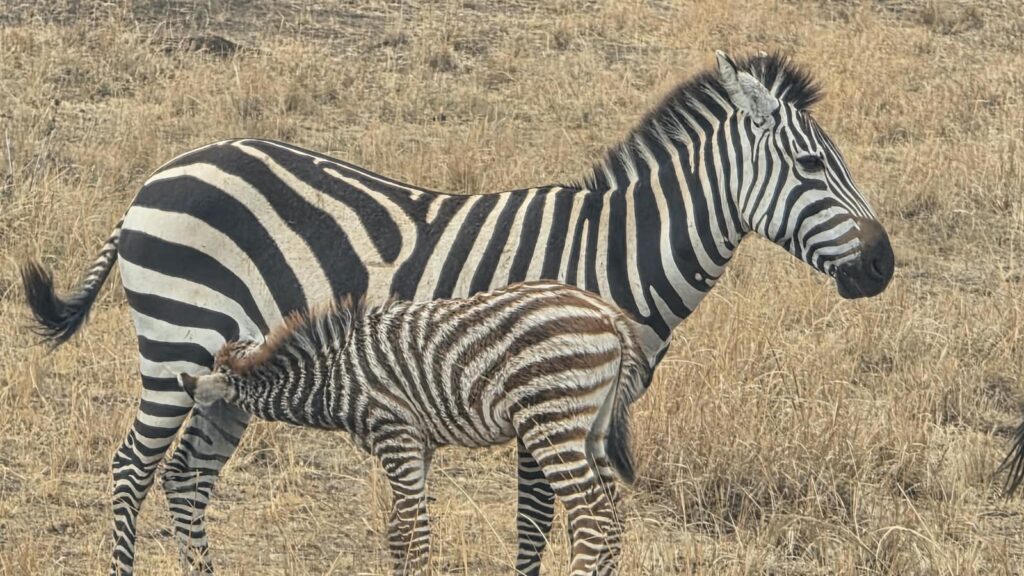
Visitors may see elephants, lions, giraffes, zebras, and other wildlife. These parks are suitable for travellers interested in exploring different parts of Kenya.
Lake Nakuru National Park: What Can You See?
Lake Nakuru is known for its birdlife and wildlife, including rhinos, giraffes, and buffaloes.
Its location in the Rift Valley makes it a useful addition to a wider safari itinerary.
Samburu National Reserve: Is It Different?
Samburu offers a different experience in northern Kenya. It is known for wildlife species such as Grevy’s zebra, reticulated giraffe, and gerenuk.
It is a good choice for travellers who want to explore beyond the more familiar southern safari destinations.
3. Decide How Many Days Your Safari Should Take
Your available time will determine how many destinations you can comfortably visit.
Avoid planning too many parks within a short period. Travelling between destinations takes time, and a rushed itinerary may leave you with fewer opportunities to enjoy game drives.
Is a 3-Day Kenya Safari Enough?
A three-day safari can focus on one destination, such as the Maasai Mara or Amboseli.
It offers time to travel, enjoy game drives, spend nights near the park, and return to your starting point.
Is a 5-Day Safari a Good Option?
Five days can allow you to explore one destination in more detail or combine two parks, depending on the route.
For example, you could plan a safari covering Amboseli and Tsavo or select destinations within the Rift Valley.
Should You Plan a 7-Day or Longer Safari?
A longer safari gives you more flexibility to visit several destinations without rushing.
You could combine the Maasai Mara, Lake Nakuru, and another park, depending on your preferred route and travel arrangements.
Ask your tour operator to recommend a realistic itinerary based on road distances and the time needed at each destination.
4. Choose the Best Time to Visit Kenya
Kenya offers safari experiences throughout the year. However, weather conditions and wildlife movements can influence your experience.
Is the Dry Season Better for Safaris?
The dry seasons are popular for wildlife viewing because vegetation may be thinner and animals can gather around available water sources.
This can make spotting wildlife easier in some areas.
Can You Go on Safari During the Rainy Season?
Yes. The rainy seasons bring greener landscapes and can create attractive conditions for photography.
However, rainfall may affect road conditions, and thick vegetation can sometimes make wildlife harder to spot.
When Should You Visit for the Great Migration?
The Great Migration involves the movement of wildebeest, zebras, and other grazing animals between Tanzania’s Serengeti and Kenya’s Maasai Mara.
The timing changes throughout the year. If this is a major reason for your trip, discuss your preferred travel dates with your safari operator.
Remember that wildlife movements and river crossings are natural events, so exact sightings cannot be guaranteed.
5. Set a Realistic Safari Budget
Your budget is an important part of planning. It helps you choose destinations, accommodation, transport, and the number of days you can travel.
What Affects the Cost of a Kenya Safari?
Several factors influence the total cost:
- Accommodation: Budget camps, standard lodges, and luxury properties have different rates.
- Transport: Private and shared safari arrangements may have different costs.
- Park fees: Each national park and reserve has its own entry charges.
- Duration: Longer trips require more accommodation, meals, and transport.
- Group size: The number of travellers can affect how certain costs are shared.
- Travel season: Demand and accommodation availability can influence quotations.
Request a detailed quotation showing what is included and what you will need to pay separately.
This makes it easier to compare safari packages and avoid unexpected expenses.
6. Arrange Transport and Accommodation
Transport and accommodation can affect the comfort and convenience of your safari.
Which Safari Vehicle Should You Choose?
Many Kenya safaris use 4×4 vehicles designed for wildlife viewing. These may include safari Land Cruisers or other suitable vehicles with pop-up roofs.
Ask your operator about the vehicle type, seating arrangements, and whether it will be private or shared.
Where Should You Stay During Your Safari?
Accommodation options include hotels, lodges, tented camps, and other safari properties.
Your choice depends on your budget, preferred comfort level, and location.
Staying close to your chosen park or reserve can help reduce unnecessary travel during your safari.
7. Prepare Your Travel Documents and Essentials
Before departure, make sure your travel arrangements are in order.
International visitors should check the current entry requirements for Kenya based on their nationality and travel circumstances. This includes passport validity, visa or Electronic Travel Authorisation requirements where applicable, and any relevant health or travel guidance.
You should also prepare suitable clothing and personal items.
Consider packing:
- Comfortable walking shoes
- Lightweight clothing
- A warm layer for early mornings
- Sun protection and a hat
- Insect repellent
- Personal medication
- Binoculars
- A camera and spare batteries
- Travel documents and booking confirmations
Pack according to the season and the destinations included in your itinerary.
8. Choose a Reliable Safari Tour Operator
Working with a suitable tour operator can make planning easier. A professional company can help you select destinations, arrange accommodation, organise transport, and prepare an itinerary.
Before booking, check the company’s contact information, business details, available customer feedback, and booking conditions.
Ask for a written itinerary and quotation. Confirm park fees, meals, accommodation, transport, and cancellation terms before making payment.
Why Plan Your Safari with Kenia Mara Tours & Safaris?
Planning a Kenya safari involves several arrangements. Having one company assist with your travel plans can make the process more convenient.
Kenia Mara Tours & Safaris is a Nairobi-based tours and travel company offering different safari and travel services for local and international visitors.
Its services include:
- Private safaris: Travel arrangements for individuals, couples, families, and private groups.
- Group safaris: Shared safari experiences for travellers who prefer group arrangements.
- Customised tours: Itineraries planned around your destinations, travel dates, and interests.
- Budget and luxury safaris: Options for different budgets and accommodation preferences.
- Mountain climbing: Arrangements for travellers interested in mountain adventures.
- Hotel bookings: Assistance with finding suitable accommodation.
- Airport transfers: Transport to and from airports.
- Car hire and shuttle services: Transport options for different travel needs.
Whether you want to visit the Maasai Mara, explore Amboseli, discover Tsavo, or combine several destinations, you can contact the team to discuss your travel plans and request a suitable itinerary.
Frequently Asked Questions About Planning a Kenya Safari
1. How much does it cost to plan a Kenya safari?
The cost depends on your destinations, travel duration, accommodation, transport, park fees, group size, and travel season. Request a personalised quotation for an accurate estimate.
2. What is the best month to go on safari in Kenya?
Kenya offers wildlife experiences throughout the year. The dry seasons are popular for game viewing, while the Great Migration attracts visitors to the Maasai Mara at certain times. Your ideal month depends on your interests and preferred destination.
3. How many days are enough for a Kenya safari?
A short safari can focus on one destination, while seven days or more can allow you to explore several parks. Choose a duration that gives you enough time for travel and game drives.
4. Can I plan a Kenya safari on a budget?
Yes. You can consider group safaris, budget accommodation, and a smaller number of destinations. Comparing package inclusions can also help you manage your expenses.
5. Should I book a Kenya safari in advance?
Booking in advance is useful, especially if you have fixed travel dates or want specific accommodation. It gives you more time to compare packages and confirm availability.
Start Planning Your Kenya Safari Today
A memorable safari begins with choosing the right destinations, setting a realistic budget, and making suitable travel arrangements.
Whether you want to explore the Maasai Mara, see elephants in Amboseli, discover Tsavo, or enjoy a longer wildlife holiday, Kenya has many experiences to offer.
Kenia Mara Tours & Safaris can help you explore available packages, plan a customised itinerary, and arrange additional travel services to suit your needs.
Contact Kenia Mara Tours & Safaris today to discuss your safari plans and request a quotation.
Email: info@keniamara.co.ke
Phone: +254 770 999112
Website: https://www.keniamara.co.ke