Mount Meru trekking is one of Tanzania’s best-kept secrets for hikers and adventure enthusiasts. Standing at 4,566 meters (14,980 feet), Mount Meru is Tanzania’s second-highest mountain after Mount Kilimanjaro and offers breathtaking landscapes, diverse wildlife, and spectacular summit views.
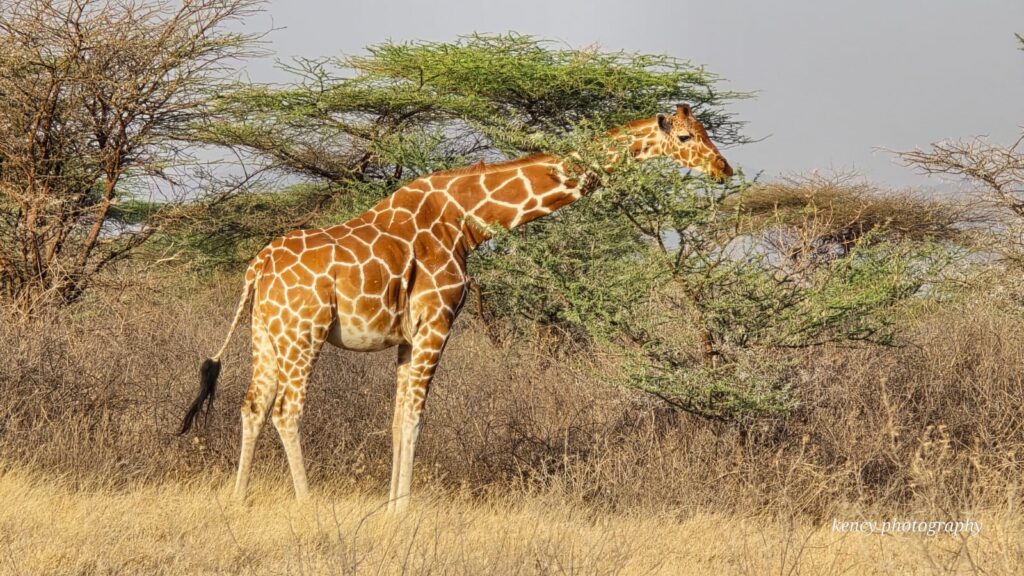
Located within Arusha National Park, Mount Meru provides an exciting trekking experience that combines mountain climbing with a safari. Unlike many hiking destinations, trekkers often encounter giraffes, buffaloes, zebras, warthogs, monkeys, and numerous bird species along the trail.
Whether you’re preparing for a Mount Kilimanjaro climb or seeking a rewarding standalone adventure, Mount Meru trekking delivers an unforgettable experience with fewer crowds and stunning scenery.
Why Choose Mount Meru Trekking?
Mount Meru is often overshadowed by nearby Mount Kilimanjaro, but many experienced hikers consider it one of East Africa’s most scenic mountain climbs.
Top Reasons to Trek Mount Meru
- Summit Tanzania’s second-highest mountain
- Experience wildlife encounters during the hike
- Trek through Arusha National Park
- Enjoy spectacular views of Mount Kilimanjaro
- Hike through lush forests, alpine meadows, and volcanic landscapes
- Climb with fewer crowds than Kilimanjaro
- Excellent acclimatization before Mount Kilimanjaro
- Suitable for experienced hikers and adventurous beginners with good fitness
Where is Mount Meru?
Mount Meru is located inside Arusha National Park, approximately 70 kilometers (43 miles) west of Mount Kilimanjaro and about 40 minutes by road from Arusha City.
The mountain is a dormant stratovolcano and dominates the skyline of northern Tanzania.
Mount Meru Trekking Routes
Unlike Mount Kilimanjaro, Mount Meru has one primary trekking route that offers incredible scenery from start to finish.
Trekkers pass through:
- Dense montane forests
- Open grasslands
- Giant heather zones
- Moorlands
- Rocky volcanic ridges
- Alpine desert landscapes
- Crater rim trails
One of the highlights is walking along the dramatic crater rim toward the summit at sunrise.
How Long Does Mount Meru Trekking Take?
Most climbers complete Mount Meru trekking in 3 to 4 days.
3-Day Mount Meru Trek
Suitable for experienced hikers with excellent fitness and prior high-altitude trekking experience.
4-Day Mount Meru Trek (Recommended)
The most popular itinerary, allowing better acclimatization and a more enjoyable pace while increasing the chances of reaching the summit.
Sample 4-Day Mount Meru Trekking Itinerary
Day 1: Momella Gate to Miriakamba Hut
Your adventure begins at Momella Gate in Arusha National Park. Accompanied by an armed ranger, you’ll hike through forests rich in wildlife.
Common sightings include:
- Giraffes
- Buffaloes
- Zebras
- Warthogs
- Colobus monkeys
- Blue monkeys
- Bushbucks
Distance: Approximately 10 km
Overnight: Miriakamba Hut
Day 2: Miriakamba Hut to Saddle Hut
Continue climbing through giant heather forests into alpine landscapes with panoramic views.
Highlights include:
- Ash Cone
- Meru Crater
- Wildlife photography
- Spectacular mountain scenery
Distance: Approximately 8 km
Overnight: Saddle Hut
Day 3: Summit Day – Socialist Peak (4,566m)
Wake around midnight for the summit push.
Reach Socialist Peak, the highest point on Mount Meru, in time to witness an unforgettable African sunrise.
On a clear day, hikers enjoy breathtaking views of:
- Mount Kilimanjaro
- Meru Crater
- Ash Cone
- Arusha National Park
- Northern Tanzania
Descend back to Miriakamba Hut.
Day 4: Descend to Momella Gate
After breakfast, continue descending through the forest to Momella Gate.
Receive your summit certificate before returning to Arusha.
Wildlife During Mount Meru Trekking
One of the biggest advantages of Mount Meru trekking is its unique wildlife experience.
Trekkers commonly see:
- Giraffes
- African Buffaloes
- Zebras
- Bushbucks
- Warthogs
- Colobus Monkeys
- Blue Monkeys
- Hyenas (occasionally)
- Antelopes
More than 400 bird species have also been recorded in Arusha National Park.
Best Time for Mount Meru Trekking
Mount Meru can be climbed throughout most of the year.
January to March
Excellent weather
Clear mountain views
Ideal trekking conditions
June to October
Dry season
Best visibility
Comfortable temperatures
Most popular trekking period
November and December
Short rains
Lush green scenery
Fewer visitors
April and May
Heavy rains may make trails slippery.
This period is generally less suitable for trekking.
Difficulty Level
Mount Meru trekking is considered moderately challenging.
The trek requires:
- Good physical fitness
- Endurance
- Ability to hike at high altitude
Although less demanding than Kilimanjaro, summit day is physically challenging due to steep terrain and altitude.
Accommodation During Mount Meru Trekking
Unlike Kilimanjaro camping routes, trekkers stay in comfortable mountain huts.
Accommodation includes:
Miriakamba Hut
Located in the forest zone.
Features:
- Dormitory-style rooms
- Dining area
- Basic washrooms
Saddle Hut
Located near the summit route.
Ideal for:
- Acclimatization
- Early summit departure
What to Pack for Mount Meru Trekking
Essential items include:
- Waterproof hiking boots
- Warm jacket
- Thermal clothing
- Hiking trousers
- Waterproof rain jacket
- Gloves
- Warm hat
- Headlamp
- Trekking poles
- Sleeping bag
- Sunglasses
- Sunscreen
- Water bottles or hydration system
- Personal medication
- Camera
- Energy snacks
How to Prepare for Mount Meru Trekking
To improve your trekking experience:
- Begin training several weeks before your trip.
- Include cardio exercises such as walking, jogging, cycling, or hiking.
- Strengthen your legs and core with regular workouts.
- Break in your hiking boots before the trek.
- Stay hydrated and follow your guide’s advice on acclimatization.
Why Choose Keniamara Tours & Safaris?
At Keniamara Tours & Safaris, we specialize in unforgettable trekking adventures across Tanzania and East Africa.
Our Mount Meru trekking packages include:
- Professional mountain guides
- Armed park ranger escort
- Comfortable mountain hut accommodation
- Experienced cook
- Park entry fees
- Rescue support where required
- Airport transfers
- Customized trekking itineraries
- Private and group departures
We prioritize safety, responsible tourism, and exceptional customer service to ensure every trekker enjoys a memorable mountain adventure.
Frequently Asked Questions
Is Mount Meru harder than Kilimanjaro?
Mount Meru is generally considered less physically demanding than Mount Kilimanjaro. However, the summit day involves steep sections and high altitude, making it a rewarding challenge.
Can beginners climb Mount Meru?
Yes. Beginners with a good level of fitness can successfully summit Mount Meru, especially on the recommended 4-day itinerary.
Is Mount Meru good for acclimatization?
Absolutely. Many climbers choose Mount Meru trekking before attempting Kilimanjaro because it helps the body adjust to higher altitudes.
Do I need a guide?
Yes. Tanzanian park regulations require all Mount Meru trekkers to climb with licensed guides and an armed ranger, as the trail passes through wildlife habitats.
How high is Mount Meru?
Mount Meru rises to 4,566 meters (14,980 feet) above sea level, making it Tanzania’s second-highest mountain.
Book Your Mount Meru Trekking Adventure Today
If you’re looking for an unforgettable hiking experience in Tanzania, Mount Meru trekking offers the perfect combination of mountain adventure, wildlife encounters, and breathtaking scenery. From lush forests and volcanic landscapes to panoramic summit views of Mount Kilimanjaro, every step is an opportunity to connect with nature.
Whether you’re preparing for a Kilimanjaro climb or seeking a rewarding trek on its own, Keniamara Tours & Safaris is here to help you plan a safe, enjoyable, and memorable journey.
Contact us today to book your Mount Meru trekking adventure and discover one of Tanzania’s most spectacular mountains.